How to Get a Class A CDL in Minnesota: A Step-by-Step Guide
Getting a Class A CDL in Minnesota requires several steps, including obtaining a Commercial Learner’s Permit (CLP), completing applicable Entry-Level Driver Training (ELDT), gaining behind-the-wheel experience, and passing the CDL skills test. The process can vary depending on your experience, training program, and the type of commercial vehicle you plan to drive.
If you’re considering a career in trucking, understanding these requirements before choosing a CDL school can help you compare training options, costs, equipment, and the amount of behind-the-wheel instruction included.
This guide breaks down everything you need to know about CDL training in Minnesota, so you can confidently choose the right path.
What is a Class A CDL?
A Class A Commercial Driver’s License allows drivers to operate combination vehicles with a gross combination weight of 26,001 pounds or more when the vehicle or vehicles being towed exceed 10,000 pounds. This commonly includes tractor-trailers and other heavy combination vehicles. A Class B CDL generally applies to a single vehicle weighing 26,001 pounds or more, with any towed vehicle weighing 10,000 pounds or less. If your goal is to drive tractor-trailers or other qualifying combination vehicles, a Class A CDL provides the appropriate license classification.
How Do You Get a Class A CDL in Minnesota?
To get a Class A CDL in Minnesota, you generally need to meet the applicable licensing requirements, obtain a Class A Commercial Learner’s Permit, complete required Entry-Level Driver Training, hold your permit for the required period, and pass the CDL skills test.
FMCSA currently requires CLP holders to possess their permit for at least 14 days before becoming eligible for the skills test.
Here’s the full breakdown:
1. Determine Your CDL Eligibility and Requirements
Before beginning the Class A CDL process you must:
- Hold a valid driver’s license
- Determine the CDL class and endorsements you need
- Review Minnesota’s CDL eligibility and identification requirements
- Determine whether your type of commercial driving requires DOT medical certification
Medical requirements can vary depending on the type of commercial driving you intend to perform, so applicants should review Minnesota and federal requirements before testing or beginning employment.
2. Get Your Class ACommercial Learner’s Permit
For a Minnesota Class A permit, applicants generally need to prepare for the applicable knowledge tests, including General Knowledge, Air Brakes, and Combination Vehicles. Class A Leasing identifies these as the primary permit tests for students pursuing a Class A license.
Steps include:
- Studying the Minnesota CDL manual
- Taking the required knowledge tests
- Obtaining your Commercial Learner’s Permit
- Completing additional endorsement requirements if applicable
Federal CDL requirements currently require applicants to possess their Commercial Learner’s Permit for at least 14 days before taking the CDL skills test. Applicants who are subject to ELDT must also complete the applicable training before taking the skills test.
3. Enroll in a Truck Driving School
Once you have your permit, CDL training helps you develop the knowledge and behind-the-wheel skills needed for the skills test and commercial driving.
A qualified CDL training program, like Class A Leasing, will provide:
- ELDT theory training
- Pre-trip inspection preparation
- One-on-one behind-the-wheel instruction
- Range and road training
- CDL skills test preparation
- Road test support
This step is critical and your experience here directly impacts how prepared you are for the road and your first job.
4. Complete ELDT
Entry-Level Driver Training, or ELDT, establishes federal training requirements for first-time Class A and Class B CDL applicants, drivers upgrading from a Class B to a Class A CDL, and certain first-time endorsement applicants. Drivers subject to ELDT must complete the applicable training with a provider listed on FMCSA’s Training Provider Registry before taking the required CDL skills test.
5. Pass the CDL Skills Test
The CDL skills test evaluates whether you can safely inspect, control and operate the type of commercial vehicle associated with the license you are seeking. You’ll complete three parts:
- Pre-trip inspection (vehicle safety knowledge)
- Basic controls test (backing and maneuvering)
- Road test (operating the commercial vehicle safely on public roads)
6. Get Your CDL & Start Your Career
After passing, you’ll receive your CDL and can begin applying for jobs. Many truck driving schools in Minnesota offer job placement assistance, helping graduates transition quickly into the workforce.What Jobs Can You Get?
Does the Truck You Use for Your CDL Test Matter?
Yes. The type of commercial vehicle used for your CDL skills test can affect restrictions placed on your license. For example, drivers who take the skills test in a vehicle with an automatic transmission receive an “E” restriction that prevents them from operating commercial vehicles with manual transmissions.
Before choosing a CDL training program, ask what types of trucks are available for training and testing and whether the equipment aligns with the commercial vehicles you expect to drive after licensing.
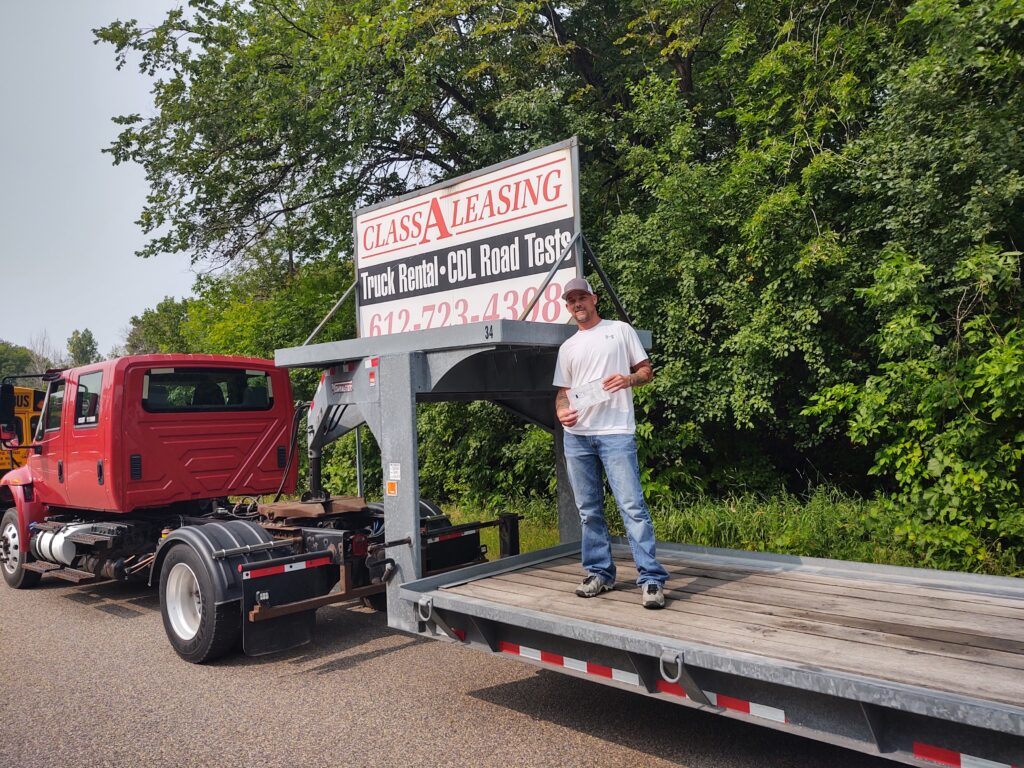
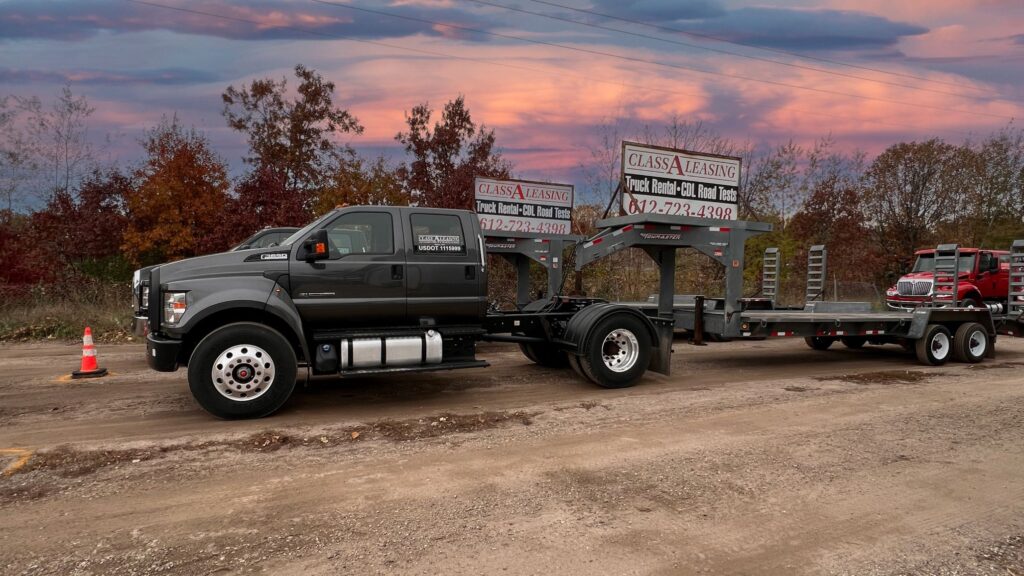
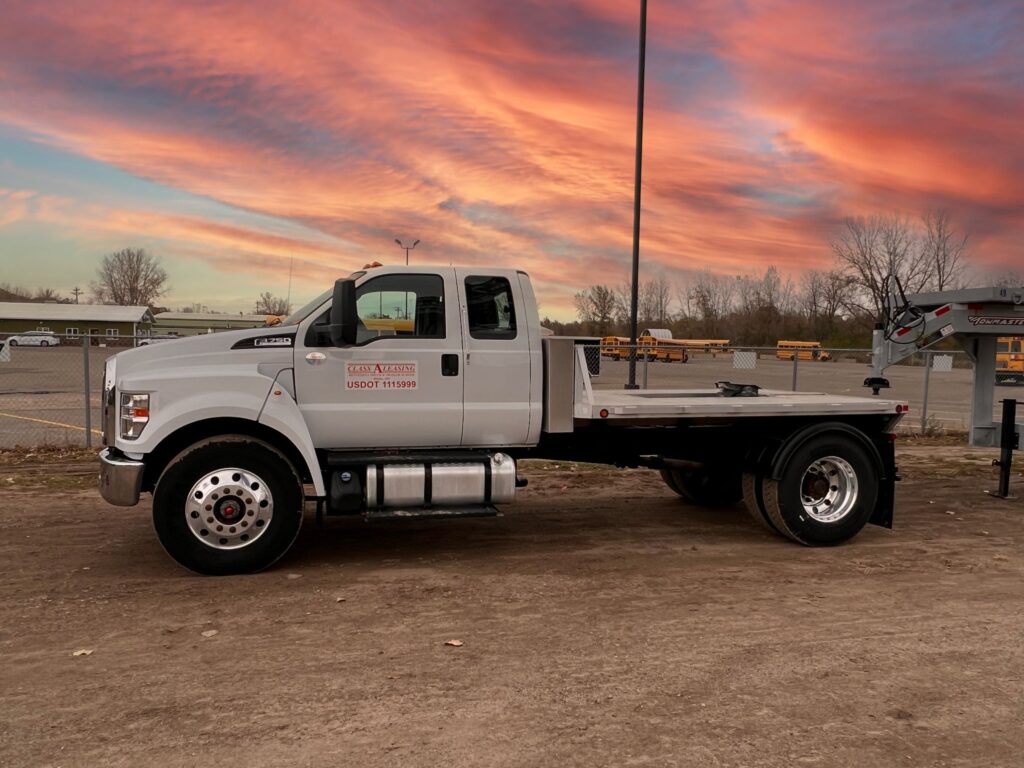
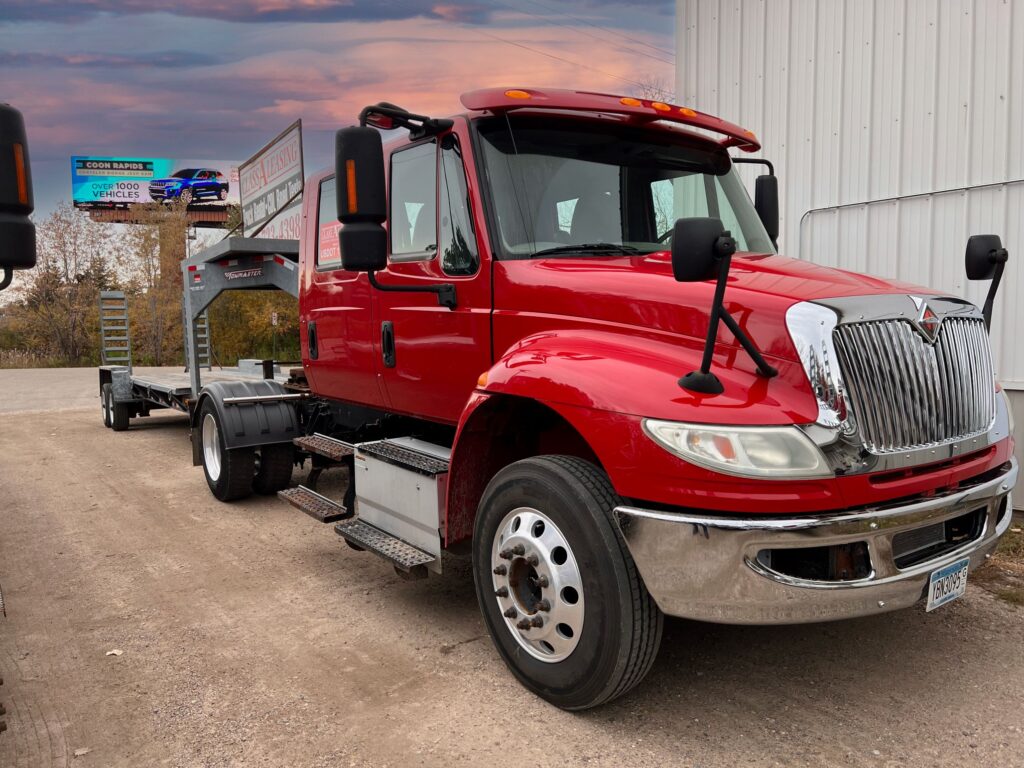
Class A Leasing offers both manual and automatic transmission training vehicles. The school states that students who successfully test in one of its qualifying manual trucks can obtain their Class A or Class B CDL without an automatic-transmission restriction.
Do You Need a Truck for the CDL Road Test?
CDL applicants must take the skills test in an appropriate commercial vehicle for the license class they are pursuing. When comparing training programs, find out whether use of a testing vehicle, transportation to the test, insurance and additional test attempts are included or charged separately.
Class A Leasing includes road-test support with its school plans, including DMV scheduling, transportation and insurance for included road tests
What’s Covered in CDL Training?
CDL training programs combine classroom learning and hands-on driving to prepare you for both the CDL test and real-world trucking jobs. When comparing CDL training programs, pay close attention to the amount and format of behind-the-wheel instruction included. Some programs divide driving time among multiple students, while others provide individual instruction. Understanding how driving hours are structured can help you compare the actual hands-on experience included in tuition.
Here’s what a quality truck driving school will cover:
Classroom Instruction
- Minnesota CDL laws and federal regulations
- Hours of Service (HOS) rules
- Safety and compliance
- Trip planning and logbooks
Behind-the-Wheel CDL Training
This is the most important part of any CDL program.
You’ll learn:
- Straight-line, offset, and alley docking
- Turning and lane control
- Shifting (manual or automatic transmissions)
- Coupling and uncoupling trailers
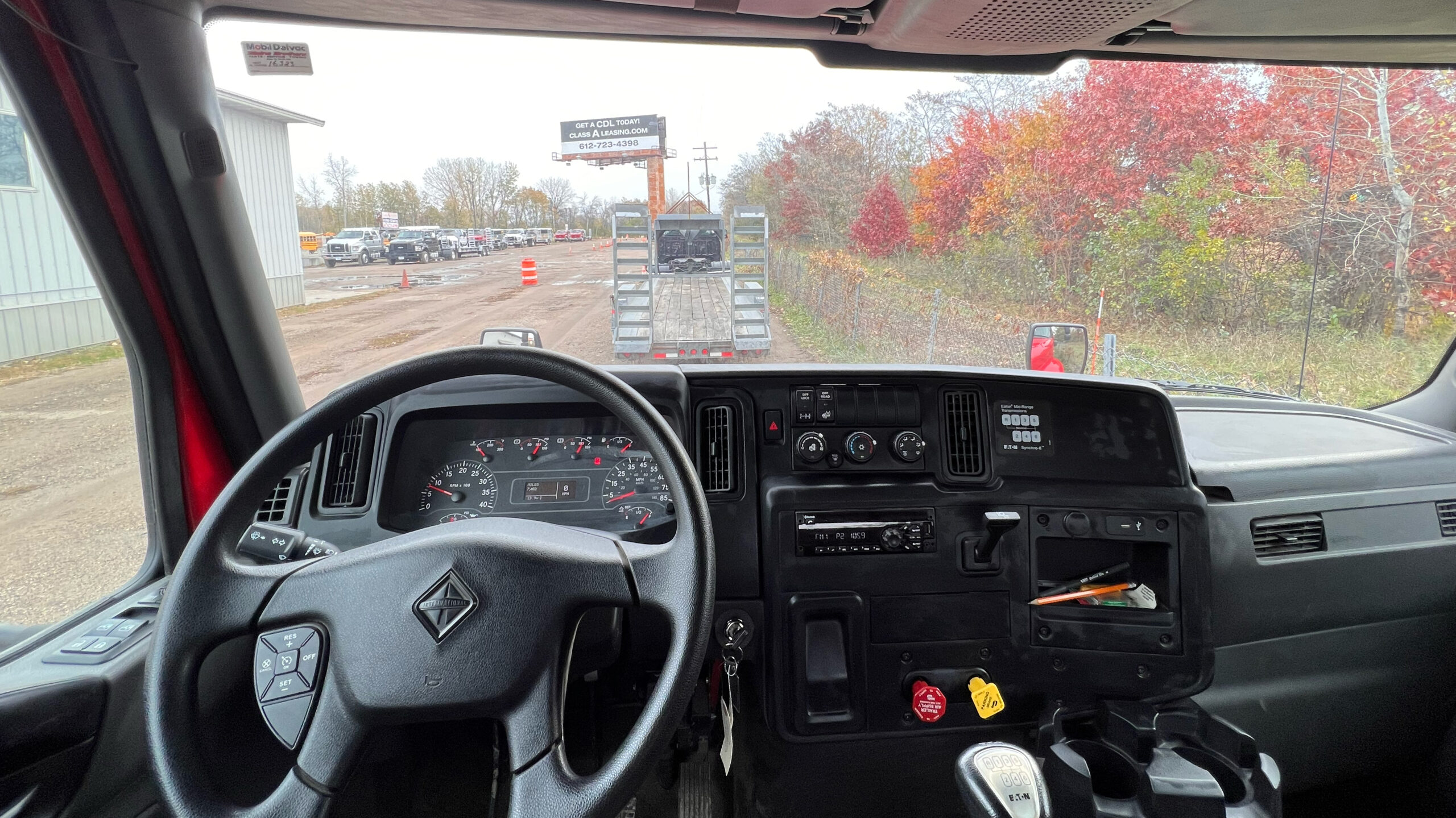
Students should also consider whether they want to train and test in a manual or automatic commercial vehicle. Under federal CDL rules, taking the skills test in an automatic vehicle results in a restriction against operating manual-transmission commercial vehicles. Class A Leasing offers both manual and automatic transmission options, allowing students to select training based on the type of commercial vehicle they expect to operate.
Pre-Trip Inspection Training
You’ll be trained to:
- Inspect brakes, tires, lights, and engine components
- Identify safety issues before driving
- Pass the pre-trip portion of your CDL test
Road Driving Experience
- City driving (traffic, turns, intersections)
- Highway driving (speed control, merging)
- Defensive driving techniques
When comparing CDL schools, look at how much behind-the-wheel instruction is included and whether that time is shared or one-on-one.
How Much Does It Cost to Get a CDL in Minnesota (and What’s Included)?
The cost of CDL training in Minnesota typically ranges from $3,000 to $7,000, depending on the amount of behind-the-wheel instruction, program length, equipment, road-test support and services included. When comparing prices, look beyond tuition alone and determine exactly what each training package covers.
Here’s what most CDL classes include:
Standard Tuition Coverage
- Classroom CDL instruction
- Behind-the-wheel training hours
- Use of equipment for the CDL skills test
- Test preparation
Additional Value Some Schools Offer
- Permit test prep
- One-on-one instruction time
- Job placement assistance
- Flexible or accelerated scheduling
What to Watch Out For
Not all CDL schools are transparent. Be cautious of:
- Extra fees for drive time
- Charges for using equipment on test day
- Limited access to instructors or trucks
The cheapest option isn’t always the best. Value comes from driving time and job readiness.
Class A Leasing Classes and Cost
Class A Leasing offers several CDL training options based on a student’s existing experience and training needs. Current school plans range from an Express option through more extensive behind-the-wheel programs, with several plans priced under $5,000
- Express School Plan: $1,980
- School Plan One: $3,480
- School Plan Two: $3,980
- School Plan Three: $4,980
What Should You Look for in a CDL Training Program Under $5,000?
When comparing CDL training programs under $5,000, evaluate the amount of hands-on instruction, testing support and services included in tuition. At Class A Leasing, this approach is core to the program, helping students become confident, job-ready drivers in just a few weeks.
When comparing CDL schools in Minnesota, look for:
Behind-the-Wheel Training
CDL students who get more behind-the-wheel time develop stronger driving skills and greater confidence on the road. Look for CDL training programs that offer flexible options for behind-the-wheel time, so you can choose the plan that fits your goals. Class A Leasing offers four program options under $5,000 that all feature a range of exclusive one-on-one instructor time.
Small Class Size
The best CDL programs keep class sizes small, so you get consistent, meaningful time behind the wheel, not waiting for your turn. At Class A Leasing, students benefit from small pre-trip group classes paired with dedicated one-on-one instruction behind the wheel.
Training Schedule and Program Length
Top CDL programs, like Class A Leasing, are designed to move you from beginner to licensed driver in a matter of weeks, so you can start earning sooner.
Preparing for Employment After CDL Training
CDL training prepares students for licensing, but employer requirements can vary based on driving experience, endorsements, medical qualifications, route type and the equipment being operated. When comparing schools, ask whether they provide employer connections, job-search resources or guidance for entering the commercial driving industry.
All-Inclusive Pricing
Look for CDL programs that clearly outline what’s included in tuition, no hidden fees and no unexpected add-ons. In Minnesota, the best CDL training programs under $5,000 prioritize hands-on driving experience, efficient timelines, and real job placement outcomes, not just getting you through the test. Class A Leasing’s most popular class is priced at $3,980 and offers up to 40 hours of pre-trip group classes and 14 hours of one-on-one driving instruction in a condensed timeframe.
How to Choose a CDL Training School in Minnesota
CDL training programs can differ significantly in how instruction, driving time, equipment and road-test preparation are structured.
The top things to consider when looking for a CDL training program:
- Is the provider listed on FMCSA’s Training Provider Registry?
- How many behind-the-wheel hours are included?
- Is driving instruction one-on-one or shared?
- Are both manual and automatic vehicles available?
- What type of vehicle will be used for the CDL skills test?
- Are pre-trip classes included?
- Is use of the testing vehicle included?
- How many test attempts are included?
- Are scheduling, transportation and insurance included?
- Are all program costs clearly disclosed?
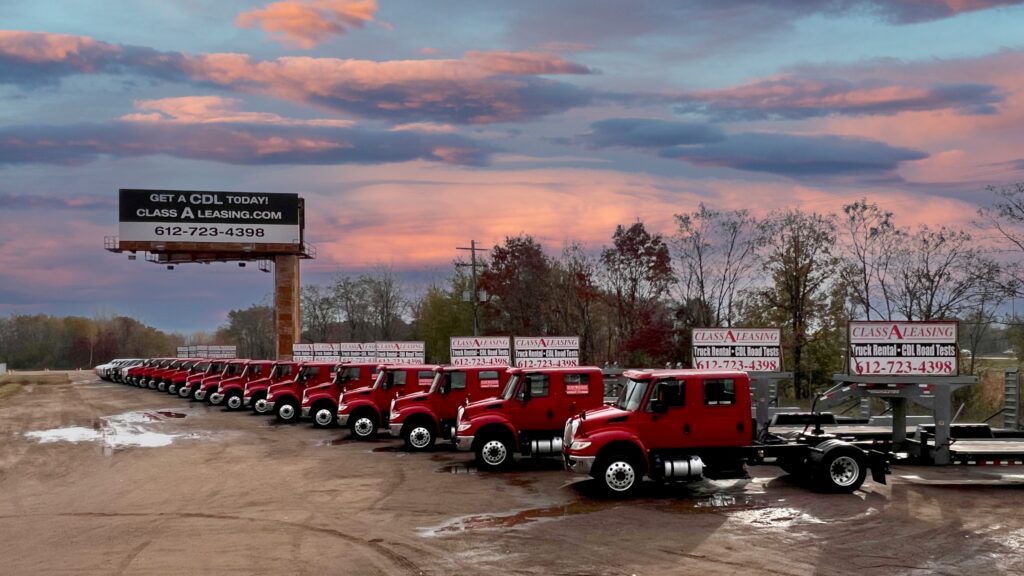
Class A Leasing & Minnesota Truck and Trailer School provides CDL training in Blaine, Minnesota, with programs for Class A and Class B applicants. Training options include online ELDT theory, pre-trip instruction, one-on-one behind-the-wheel training, manual and automatic transmission vehicles, and road-test support. Students can choose among multiple training plans based on their previous experience and the amount of behind-the-wheel instruction they need. Connect with Class A Leasing today to get started!
Get Started With Class A Today
FAQs About CDL Training in Minnesota
How Long do CDL Classes Take in Minnesota?
Most CDL training programs take 3–6 weeks, depending on whether you attend full-time or part-time.
Do I Need Experience Before Enrolling in a Truck Driving School?
No. CDL training is designed for beginners with no prior experience.
Is CDL Training Worth it?
Yes. Many CDL drivers in Minnesota earn between $50,000 and $80,000+ per year, making it a strong long-term career investment.
Can I get Hired Right After CDL School?
Yes. Many trucking companies actively recruit from CDL training programs and hire new drivers immediately.
What Should I Look For in CDL Classes?
- High driving time
- Small class sizes
- Transparent pricing
- Job placement support
Getting a CDL: The Best Move For Your Construction Career
If you’re ready to start a career in construction, you’re already on the path to a future filled with opportunity. But have you considered adding a Commercial Driver’s License (CDL) to your skillset? Obtaining a CDL opens up a world of job possibilities and helps you stand out in the construction industry, giving you a sense of empowerment and motivation.
Why Consider a CDL in Construction?
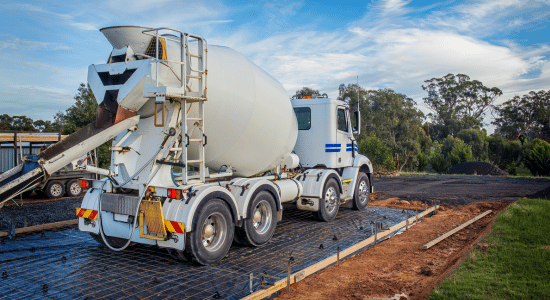
- More Job Opportunities: With a CDL, you can drive dump trucks, cement mixers, and heavy machinery, which are essential on any job site.
- Higher Earning Potential: Skilled drivers with CDLs often get paid more than those without. Adding truck driving skills to your resume allows you to negotiate higher wages because of your versatility and expertise.
- Job Stability: The construction industry always needs reliable drivers. Getting a CDL can help secure your job, as you’ll have the skills to handle multiple roles, even during slow seasons.
- Growth and Advancement: Starting as a driver opens doors to other career opportunities like site supervisor or project manager. Experience behind the wheel shows you understand the logistical side of the industry, which can help you move up the ranks.
What Jobs Can You Get?
Once you have your CDL, you can consider several new job opportunities. Here are just a few examples:
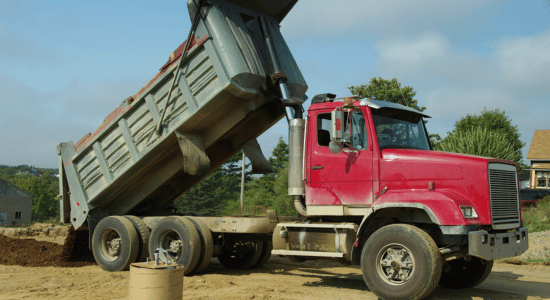
- Dump Truck Driver: Haul sand, gravel, or soil to and from job sites.
- Cement Mixer Operator: Transport and deliver concrete to construction projects.
- Flatbed Truck Driver: Carry building materials like lumber and steel beams to construction sites.
- Heavy Equipment Transporter: Move machinery like bulldozers and excavators from one site to another.
- Water Truck Driver: Deliver water to dusty construction sites or compact soil.
Take the First Step Today
Getting a CDL can help you kickstart a rewarding construction career. It’s a great way to expand your skill set, increase your earning potential, and open up new opportunities for growth. Whether driving a dump truck or transporting heavy machinery, you’ll be an important part of every construction project.
Ready to hit the road? Follow these steps to get started:
- Research and Select a CDL Training Program: Look for accredited schools with solid reviews and job placement services.
- Prepare for the Written Exam: Utilize study guides and practice tests.
- Practice Driving: Gain confidence behind the wheel through quality training.
- Get Your CDL with Class A Leasing: With dedication and the proper training, you’re on your way to a successful career in trucking. Contact us today to embark on your commercial driving career!
How To Get Your CDL
Embarking on a career in trucking starts with obtaining your Commercial Driver’s License (CDL). Whether you’re aspiring to become a long-haul driver or looking to operate heavy machinery, knowing how to get a CDL is your first step toward a rewarding career on the road. This guide covers the essentials: the process, duration, costs, and requirements, ensuring you’re well-prepared to start your journey.
Understanding the CDL Process:
Getting your CDL involves several steps, each designed to equip you with the knowledge and skills necessary for a safe and successful career in trucking. Here’s what you need to know:
- Meet the Basic Requirements: You must meet specific criteria before pursuing a CDL. You must be at least 21 years old to drive interstate and have a valid regular driver’s license. Some states allow individuals 18 and over to obtain a license for intrastate driving. A clean driving record and passing a medical exam are also required. Finally, you will need your CDL permit prior to testing for a license.
- Choose Your CDL Class: There are three classes of CDL—Class A, B, and C—each allowing you to operate different types of vehicles. Class A Leasing offers comprehensive training for Class A and B.
- Enroll in a CDL Training Program: Quality training is crucial. Find a reputable CDL training program, like Class A Leasing, that covers the written knowledge test and behind-the-wheel experience. Training duration can vary, typically ranging from a few weeks to several months, depending on the program’s intensity and your availability. Check out our options today to get your career started!
- Pass the Written Exam and Skills Test: After completing your training, you’ll need to pass a written knowledge exam and a three-part skills test, which includes a pre-trip inspection, basic controls test, and a road test.
How Long Does It Take?
The timeline for getting your license can vary widely, from about three weeks to three months or more, depending on the training program’s structure and your personal schedule. Fast-track programs offer an accelerated path, while part-time options may take longer but provide greater flexibility.
How Much Does It Cost?
The cost of obtaining a CDL can range from $3,500 to $8,000, covering training fees, testing, and licensing. Financial aid, scholarships, and company-sponsored training programs are available to help manage these costs.
Getting Started with Your CDL
Ready to hit the road? Follow these steps to get started:
- Research and Select a CDL Training Program: Look for accredited schools with solid reviews and job placement services.
- Prepare for the Written Exam: Utilize study guides and practice tests.
- Practice Driving: Gain confidence behind the wheel through quality training.
- Get Your CDL with Class A Today: With dedication and the proper training, you’re on your way to a successful career in trucking. Contact us today to embark on your commercial driving career!
What is Entry-Level Driver Training (ELDT): Understanding What You Need to Know
In the trucking industry, ensuring the highest standards of safety and competence is paramount. That’s where Entry-Level Driver Training (ELDT) comes into play. If you’re considering a career in trucking or are part of a trucking company looking to stay compliant, understanding what ELDT is, is crucial. This guide addresses the most common questions about ELDT, helping you navigate this essential requirement.
Entry-Level Driver Training (ELDT) refers to the mandatory training requirements for new drivers before they can obtain their commercial driver’s license (CDL). It encompasses a comprehensive curriculum designed to equip entry-level drivers with the necessary skills and knowledge to safely operate commercial motor vehicles (CMVs).
When Did ELDT Take Effect?
The Federal Motor Carrier Safety Administration (FMCSA) implemented the ELDT requirements in early 2022. This regulation marked a significant step in standardizing driver education and ensuring all new drivers meet a baseline of proficiency. [CTA] Check out our driving plans here that include ELDT training:
How Long is ELDT Valid?
Once completed, the ELDT certification does not expire. Completing is a one-time requirement that shows a driver has met the initial qualification standards required to operate a CMV safely. However, continuous education and training might be necessary for specialized endorsements or to meet company-specific standards.
What Are the Entry-Level Driving Training Requirements?
The ELDT requirements are divided into two main components: theory instruction and behind-the-wheel (BTW) training.
Theory Instruction:
This part covers various topics, from the essential operation of a CMV and navigating road safety to advanced driving techniques and understanding regulations like hours of service and health and wellness implications for drivers.
Behind-the-Wheel Training:
This practical segment ensures drivers gain hands-on experience in operating a CMV. It includes range (basic vehicle maneuvers) and public road driving, focusing on real-world driving skills and safety practices.
Who is Required to Complete Entry-Level Driver Training?
ELDT is required for:
- New drivers applying for their initial Class A or Class B CDL.
- Current CDL holders seeking to upgrade their license (e.g., from Class B to Class A).
- Drivers applying for specific endorsements, such as the school bus (S), passenger (P), or hazardous materials (H) endorsement, for the first time.
Understanding the ins and outs of Entry-Level Driver Training is essential for anyone looking to navigate the trucking industry safely and effectively. By ensuring that all drivers meet these foundational training requirements, the industry takes a significant step forward in enhancing road safety and professionalism. Whether you’re a new driver starting your journey or a seasoned professional brushing up on the latest requirements, knowing what ELDT is, is indispensable.
Welcome to our blog.
Dear Future Trucking Professionals,
Welcome aboard! Whether you’re here to explore a new career path or enhance your existing skills, we’re thrilled to have you join us on this exciting journey. As we kickstart our blog for Class A Leasing and Minnesota Truck Driving School, we aim to provide you with valuable insights, resources, and updates to support you every step of the way.
At our school, we understand the significance of obtaining a Commercial Driver’s License (CDL). It’s not just about driving a truck; it’s about embracing a lifestyle that offers independence, stability, and boundless opportunities. Whether you dream of traversing the open road, delivering essential goods, or contributing to the backbone of our economy, we’re here to empower you with the knowledge and skills necessary to thrive in the trucking industry.
Throughout our blog, you can expect to find a wealth of information tailored to your needs:
- Educational Resources: From understanding the basics of truck mechanics to mastering the rules of the road, we’ll provide comprehensive guides and tips to help you excel in your studies.
- Industry Insights: Stay updated on the latest trends, technologies, and regulations shaping the trucking industry. We’ll delve into topics such as sustainable transportation, advancements in vehicle safety, and the evolving landscape of logistics.
- Student Spotlights: Every journey is unique, and we want to celebrate the accomplishments of our students. Through student spotlights, you’ll have the opportunity to learn from the experiences of fellow learners, gaining inspiration and motivation along the way.
- Career Guidance: Transitioning into a career as a professional truck driver can be both exhilarating and challenging. We’ll provide guidance on job prospects, resume building, interview tips, and strategies for advancing your career in the trucking industry.
- Community Engagement: Join our thriving community of students, alumni, instructors, and industry professionals. Connect with like-minded individuals, participate in discussions, and share your insights and experiences.
As we embark on this journey together, our commitment to your success remains unwavering. Whether you’re taking your first steps toward earning your CDL or seeking to enhance your skills through advanced training, we’re here to support you at every turn.
We invite you to bookmark our blog page and engage with us on social media to stay informed and connected. Remember, the road ahead may have twists and turns, but with determination, perseverance, and the right guidance, the destination is within reach.
Thank you for choosing Class A Leasing and Minnesota Truck Driving School as your partner in pursuing your dreams. Together, let’s pave the way for a brighter future in the world of trucking.